
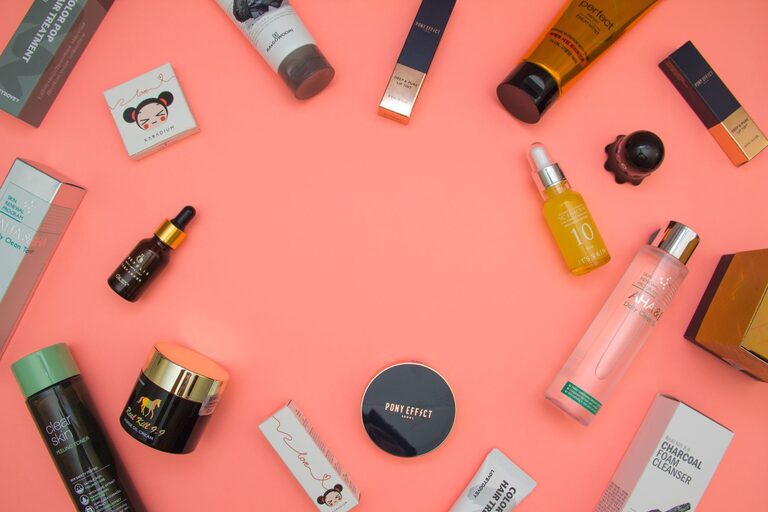

A basic skincare routine does not need to include a long list of products. In fact, starting with a few simple steps can make it easier to understand what works for your skin and maintain the routine over time.
The essentials are cleansing, moisturizing, and protecting your skin from the sun. Once these habits are established, you can consider adding other products based on your personal goals, such as improving the look of uneven texture or dryness.
Start With the Basics
A beginner-friendly routine usually includes three product types:
- **Cleanser:** Removes sweat, oil, dirt, and makeup.
- **Moisturizer:** Helps keep the skin feeling comfortable and supported.
- **Sunscreen:** Helps protect exposed skin from ultraviolet rays during the day.
You do not need to buy every product at once. Starting with the basics allows you to introduce products gradually and notice how your skin responds.
Skin can be described in several general ways, including dry, oily, combination, or normal. However, these categories are not fixed. Your skin may change with the weather, age, stress, travel, or changes in your daily habits.
Step 1: Cleanse Your Skin
Cleansing is usually the first step in both morning and evening routines. A cleanser helps remove buildup from the skin’s surface without the need for harsh scrubbing.
Choosing a Cleanser
Look for a cleanser that matches how your skin feels:
– Dry or tight skin: Choose a gentle, creamy, or hydrating cleanser.
– Oily or shiny skin: Consider a lightweight gel or foaming cleanser.
– Combination skin: Use a balanced cleanser that does not leave the skin feeling stripped.
– Sensitive-feeling skin: Select a simple, fragrance-free formula with mild ingredients.
Use lukewarm water rather than very hot water, which can leave skin feeling dry or uncomfortable. Apply the cleanser with clean hands, gently massage it over your face, and rinse thoroughly. Pat your skin dry with a clean towel instead of rubbing.
In the morning, some people prefer a gentle cleanse, while others simply rinse with water if their skin feels comfortable. In the evening, cleansing is especially useful for removing sunscreen, makeup, and daily buildup.
Step 2: Apply Moisturizer
Moisturizer helps reduce the feeling of dryness and supports a comfortable skin surface. Oily skin can benefit from moisturizer too. When skin feels dry, it may become more uncomfortable and look dull or uneven.
How to Choose a Moisturizer
Consider the texture and ingredients:
– Lotion or cream: Often suitable for normal or dry skin.
– Gel moisturizer: A lightweight option for oily or combination skin.
– Fragrance-free formula: A useful choice for skin that is easily bothered.
– Non-comedogenic label: May be helpful if you prefer products designed not to clog pores.
Apply moisturizer after cleansing while your skin is still slightly damp. This can help maintain a soft, comfortable feel. Use a small amount and spread it evenly over your face and neck if desired.
If your skin feels greasy after applying a product, try using less or switching to a lighter texture. If it still feels tight, look for a richer formula.
Step 3: Use Sunscreen During the Day
Sunscreen is an important daytime step, especially when you spend time outdoors. Sun protection can help reduce the effects of ultraviolet exposure, including sunburn and the visible signs of skin aging.
Choose a broad-spectrum sunscreen with an SPF of 30 or higher. Apply it as the final step of your morning skincare routine, after moisturizer. Use enough to cover commonly exposed areas, including the face, ears, neck, and other uncovered skin.
Reapply sunscreen during extended outdoor activities, especially after swimming, sweating, or towel drying. A hat, sunglasses, and shade can provide additional protection.
Some moisturizers and makeup products include sunscreen. These may be useful, but check the label and apply enough product to get the stated level of protection. A dedicated sunscreen can make it easier to apply an adequate amount.
The Correct Product Order
The order of your routine can help products work as intended and make the process easier to remember.
Morning
- Cleanser or water rinse
- Optional treatment product
- Moisturizer
- Sunscreen
- Makeup remover or cleansing balm, if needed
- Cleanser
- Optional treatment product
- Moisturizer
Evening
In general, apply products from the lightest texture to the heaviest. Sunscreen should be the final skincare step in the morning.
Add New Products Slowly
Once you are comfortable with the basic routine, you may want to add a product for a specific concern. Examples include products intended to improve the appearance of uneven tone, rough texture, or occasional blemishes.
Add only one new product at a time. Use it consistently for several weeks before deciding whether it is useful. Introducing multiple products together makes it difficult to know which one is affecting your skin.
Before applying a new product to your face, follow the product’s instructions for a small-area test. Stop using it if you notice significant discomfort, a persistent rash, swelling, or other concerning changes. For ongoing or severe skin concerns, ask a qualified dermatologist for guidance.
Common Beginner Mistakes
A simple routine is often more effective than an overly complicated one. Avoid these common mistakes:
– Washing your face too frequently
– Scrubbing aggressively
– Using very hot water
– Adding several strong products at the same time
– Skipping moisturizer because your skin is oily
– Forgetting sunscreen during outdoor activities
– Changing products too often
– Using products past their recommended period
It is also helpful to keep hands, pillowcases, makeup tools, and phone screens reasonably clean. These everyday habits can support a consistent personal care routine.
Make the Routine Easy to Maintain
The best routine is one you can follow regularly. Store your products where you will see them, such as near your bathroom sink. Keep the steps short and use product labels for application instructions.
Give your routine time. Skin may not look different immediately, and results can vary from person to person. Focus first on comfort, consistency, and good daily habits rather than buying more products.
A basic routine can be as simple as cleansing, moisturizing, and applying sunscreen. Once those steps become familiar, you can make careful adjustments based on your skin’s changing needs.