
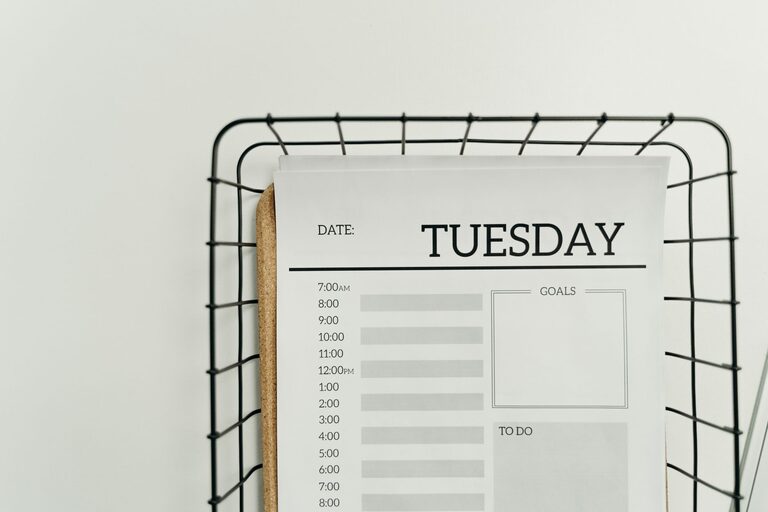

A clean home does not require spending an entire weekend scrubbing and organizing. With a simple weekly schedule, you can divide household chores into smaller tasks that are easier to manage. A few minutes each day can help prevent messes from piling up and make deeper cleaning less overwhelming.
This schedule is designed for busy households, small spaces, and anyone who wants a practical routine. Adjust the tasks, timing, and order to fit your home and lifestyle.
How the Weekly Cleaning Schedule Works
The goal is to focus on one main area or type of chore each day. Most tasks take between 15 and 30 minutes, while a few daily habits help keep the home under control.
Before you begin, gather a few basic supplies:
– All-purpose cleaner
– Microfiber cloths
– A broom, dustpan, or vacuum
– A mop
– Disinfecting wipes or a suitable surface cleaner
– Sponges and scrub brushes
– Trash bags
– Laundry detergent
Keep cleaning products in an easy-to-reach location, but store them safely away from children and pets.
Daily Habits That Make Cleaning Easier
A few quick habits can make the weekly schedule more effective. These do not need to be perfect. The goal is to keep small messes from becoming larger jobs.
Try to complete these tasks each day:
– Make the beds
– Put dirty clothes in the hamper
– Wash or load dishes
– Wipe kitchen counters after meals
– Return items to their proper places
– Sweep up visible crumbs
– Take out trash when the bin is full
A five-minute evening reset can also help. Walk through the main living areas, put away loose items, and prepare the kitchen for the next morning.
Monday: Kitchen Cleaning
Starting the week with the kitchen can create a fresh foundation for the days ahead. Focus on the surfaces and appliances that receive regular use.
Main tasks
– Clear and wipe kitchen counters
– Clean the stovetop
– Wipe cabinet handles and appliance doors
– Scrub the sink
– Sweep or vacuum the floor
– Mop if needed
– Check the refrigerator for expired food
If you have extra time, wipe the inside of the microwave or clean one refrigerator shelf. There is no need to clean every appliance at once. Choosing one small extra task each week keeps larger chores manageable.
Tuesday: Bathrooms
Bathrooms often need frequent attention, but a quick weekly cleaning can keep them fresh and comfortable.
Main tasks
– Clean the toilet, including the seat and exterior
– Scrub the sink and faucet
– Wipe the mirror
– Clean the shower or tub
– Replace used towels
– Empty the trash
– Sweep and mop the floor
Keep a small basket or container nearby for products that do not belong in the bathroom. Removing clutter before cleaning makes the room faster to tidy.
For homes with more than one bathroom, clean the main bathroom on Tuesday and give other bathrooms a quick refresh later in the week.
Wednesday: Bedrooms and Laundry
Midweek is a good time to refresh bedrooms and handle laundry before it builds up.
Main tasks
– Change bed linens
– Dust nightstands and dressers
– Put away clothing
– Vacuum or sweep the floors
– Empty bedroom trash cans
– Start or fold a load of laundry
If you have several loads of laundry, divide them into smaller sessions. For example, wash towels on Wednesday and bedding on another day. Folding laundry soon after it dries can prevent clean clothes from becoming another pile to organize.
Take a moment to clear surfaces such as desks, chairs, and dressers. A less crowded bedroom often feels cleaner even before the floor is vacuumed.
Thursday: Living Areas
Living rooms, family rooms, and hallways usually collect dust, crumbs, and everyday clutter. Thursday is a good day to restore these shared spaces.
Main tasks
– Put away books, toys, and other loose items
– Dust shelves, tables, and electronics
– Vacuum upholstered furniture
– Vacuum or sweep floors
– Wipe light switches and door handles
– Straighten cushions and blankets
Work from top to bottom when dusting. This allows dust that falls from higher surfaces to be cleaned from the floor afterward. Move small objects as you clean so that dust does not collect around them.
If your home has stairs, include them in the vacuuming or sweeping routine.
Friday: Floors and High Touch Areas
Friday can be a lighter cleaning day focused on floors and surfaces that people touch often. This helps the home feel fresh going into the weekend.
Main tasks
– Vacuum or sweep all main floors
– Mop hard floors
– Wipe door handles
– Clean light switches
– Wipe remote controls and frequently used surfaces
– Empty trash and recycling
You do not always need to clean every floor in the same way. Spot-clean busy areas during the week and save a more thorough floor cleaning for Friday.
If you are short on time, focus on entryways, kitchens, bathrooms, and other areas that receive the most traffic.
Saturday: Decluttering and One Deep Cleaning Task
Saturday is useful for tasks that do not need to happen every week. Instead of trying to deep-clean the entire home, choose one project.
Choose one deep cleaning task
– Clean the oven
– Dust ceiling fans
– Wash windows
– Clean baseboards
– Organize a pantry shelf
– Vacuum under furniture
– Wash shower curtains or bath mats
– Clean inside a frequently used cabinet
You can also spend 15 minutes decluttering one small area. A drawer, shelf, or entryway basket is enough. Set a timer and stop when it rings. Small, regular sessions are easier to maintain than large organizing projects.
If Saturday is busy, move this task to another day or skip it without disrupting the rest of the schedule.
Sunday: Reset and Plan
Sunday can be a low-effort reset day. The purpose is to prepare the home for the week without turning the day into a long cleaning session.
Main tasks
– Put away items left out during the weekend
– Wash or put away remaining dishes
– Check laundry
– Restock basic supplies
– Empty bins if needed
– Plan the week’s deep cleaning task
– Prepare a simple cleaning checklist
Take a quick walk through each room and note anything that needs extra attention. Writing down tasks prevents them from being forgotten and helps you choose realistic priorities.
Tips for Staying Consistent
A cleaning schedule works best when it fits your daily life. Use these ideas to make the routine easier to follow:
– Set a timer so chores have a clear stopping point.
– Clean one room at a time instead of moving randomly around the home.
– Keep frequently used supplies together.
– Start with the most visible areas when time is limited.
– Ask household members to handle tasks that match their abilities.
– Use a checklist to track progress.
– Do not wait for the home to be perfectly clean before taking a break.
It is also helpful to create a “minimum version” of each day. For example, if Monday is too busy, wipe the counters, clean the sink, and sweep the kitchen floor. Completing a smaller version keeps the routine going.
Adjust the Schedule to Fit Your Home
Every home has different needs. A household with pets may need more frequent vacuuming, while someone living alone may need fewer laundry sessions. You can combine days, repeat certain tasks, or remove chores that do not apply.
The most important part is consistency, not perfection. A simple schedule that you can follow most weeks is more useful than an ambitious plan that feels impossible to maintain. By spreading chores across the week, you can keep your home comfortable with less effort and more control over your time.