
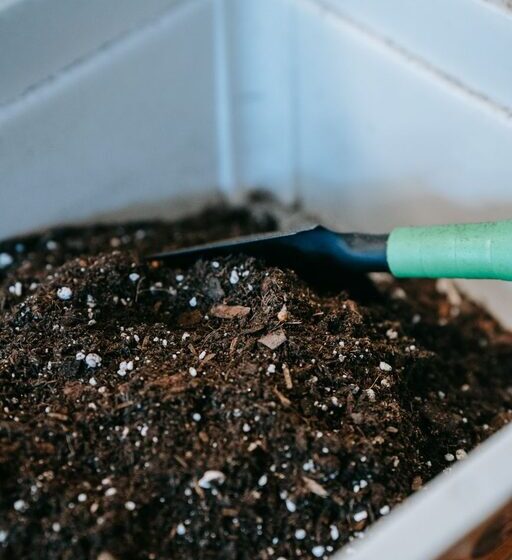

Composting at home is a rewarding way to reduce waste, enrich your garden soil, and contribute to a healthier environment. If you’re new to composting, the process may seem overwhelming, but it can be simple and enjoyable with the right approach. This guide will walk you through beginner tips for composting at home, helping you create a thriving compost pile with ease.
What Is Composting?
Composting is the natural decomposition of organic materials, such as food scraps and yard waste, into nutrient-rich humus. This process is carried out by microorganisms, worms, and other decomposers breaking down the materials. The result is compost—a dark, crumbly substance that acts as a natural fertilizer, improving soil structure and plant health.
Why Compost at Home?
– Reduces landfill waste: Composting diverts organic materials from the trash, reducing methane emissions.
– Improves soil health: Compost adds nutrients and beneficial microbes to your garden soil.
– Saves money: Using compost can reduce the need for chemical fertilizers.
– Encourages sustainable living: It supports an eco-friendly lifestyle and helps conserve resources.
—
Getting Started With Home Composting
1. Choose the Right Compost Bin or Spot
You can compost in various ways, depending on your space and preference:
– Compost bin: Available in many sizes; they keep your compost contained and help maintain warmth.
– Compost tumbler: A rotating bin that speeds up decomposition by mixing materials.
– Open pile: Suitable for large yards but may attract pests if not managed carefully.
Choose a location that’s convenient, has good drainage, and receives some sunlight to aid the composting process.
2. Understand What to Compost
Composting works best when you combine a balance of “greens” and “browns”:
– Greens: Nitrogen-rich materials that provide moisture and protein. Examples: fruit and vegetable scraps, coffee grounds, grass clippings.
– Browns: Carbon-rich materials that add structure and airflow. Examples: dry leaves, cardboard, paper, straw.
Avoid adding meat, dairy, oily foods, and pet waste, as these can attract pests and cause odors.
3. Layering Your Compost
Start your pile or bin with a layer of browns about 4 to 6 inches thick to help with airflow. Then add a thinner layer of greens. Alternate layers to maintain the balance that microorganisms need to break down materials effectively.
4. Maintain Moisture
Your compost pile should be as damp as a wrung-out sponge. If it’s too dry, decomposition slows down; if too wet, it can become smelly. Add water during dry spells or mix in dry browns if it’s too wet.
5. Turn Your Compost Regularly
Aeration is key for healthy decomposition. Use a garden fork or compost aerator to turn the pile every 1-2 weeks. This introduces oxygen, which helps beneficial microbes thrive and speeds up the process.
—
Troubleshooting Common Composting Issues
Even beginners can face problems, but these tips can help you solve them:
– Bad odors: Usually caused by too much moisture or adding inappropriate materials. Add more browns and turn the pile to improve airflow.
– Pests: Avoid meat and dairy. Use a bin with a lid or cover your pile with a layer of browns.
– Slow decomposition: Check moisture levels and aerate more frequently. Chop or shred materials to speed breakdown.
—
Harvesting and Using Your Compost
You’ll know your compost is ready when it looks dark and crumbly, smells earthy, and no longer resembles the original materials. This process can take anywhere from 2 months to a year, depending on conditions.
Use finished compost to:
– Enrich garden beds and potted plants
– Mulch around trees and shrubs
– Improve lawn health by spreading a thin layer
—
Tips for Success
– Start small to avoid feeling overwhelmed.
– Keep a small compost bin in your kitchen for scraps.
– Chop up large or tough materials to speed decomposition.
– Be patient—the process takes time but is worth the effort.
– Educate family members to encourage everyone’s participation.
—
Final Thoughts
Composting at home is a simple, cost-effective way to make a positive impact on the environment while enhancing your garden. By following these beginner tips, you can confidently start your composting journey and enjoy the benefits of rich, homemade compost. Happy composting!