
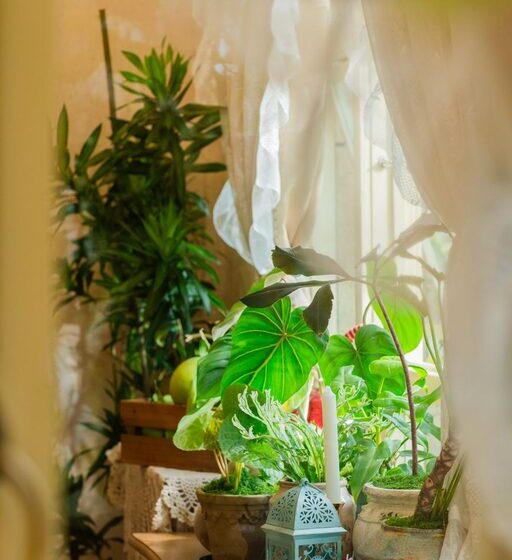

Plants are one of the easiest ways to refresh a home. They add color, texture, and character without requiring a major renovation. Whether you have a bright apartment, a small room, or a home with limited floor space, the right plants can make your surroundings feel more welcoming.
A successful indoor plant display is about more than buying attractive greenery. It also involves choosing plants that suit your light, space, and routine. With a little planning, you can create a home that feels fresh while keeping plant care simple.
Start by Looking at Your Space
Before buying plants, take a few minutes to notice how each room works throughout the day. Natural light is one of the most important factors in plant selection.
Look at:
– Which windows receive direct sunlight
– Areas that stay bright but do not get strong sun
– Dark corners and spaces far from windows
– Temperature changes near doors, vents, and radiators
– Available surfaces, shelves, and floor space
You can also observe the room at different times of day. A window that seems bright in the morning may receive very little light in the afternoon. This simple check can help you avoid placing a plant in a spot that does not meet its needs.
If a room has limited natural light, choose plants known to tolerate lower-light conditions. Keep in mind that “low light” does not mean no light. Most plants still need some natural or supplemental light to grow well.
Choose Plants That Match Your Routine
The best plant for your home is one you can care for consistently. Some plants need frequent watering and regular attention, while others are more forgiving if you occasionally forget.
If you are new to indoor gardening, consider starting with a few easy-care varieties, such as:
– Snake plants
– Pothos
– Spider plants
– ZZ plants
– Cast iron plants
– Chinese evergreen
These plants come in different shapes and colors, making it easy to create visual variety. Before bringing any plant home, check its light and watering requirements. A plant labeled as easy-care can still struggle if it is placed in direct sun, kept in soggy soil, or positioned near a draft.
It is also helpful to check whether a plant may be harmful to pets. If you share your home with cats or dogs, choose pet-friendly options or place plants where curious animals cannot reach them.
Refresh a Room With a Plant Focal Point
A large plant can become a natural focal point in a living room, entryway, or bedroom. Place it in an unused corner, beside a chair, or near a window where its shape can stand out.
Plants with tall, upright growth can add height to a room. Plants with wide leaves can soften empty areas and make a space feel fuller. For smaller rooms, choose a plant with an open shape so it adds interest without making the area feel crowded.
To create a balanced display:
- Place the largest plant first.
- Add a medium-sized plant nearby if the space allows.
- Use a small plant or decorative object to complete the arrangement.
- Leave enough room for watering, cleaning, and movement.
Avoid placing every plant against a wall. Pulling one or two plants slightly into the room can make the arrangement feel more natural. Make sure large pots do not block walkways or doorways.
Use Shelves and Small Surfaces
You do not need a large floor area to enjoy plants. Shelves, windowsills, desks, and side tables can all become part of your plant display.
Use plants with different growth habits to create contrast:
– Trailing plants can hang over the edge of a shelf.
– Compact plants work well on desks and bedside tables.
– Upright plants add height to lower cabinets.
– Small groups of plants can fill an open bookcase.
When arranging several plants, vary their height and leaf shape. A tall plant beside a low, rounded plant creates more interest than several plants that look exactly alike.
Be careful with shelves and furniture. Confirm that they can support the weight of the pot, soil, and water. Use trays under containers to protect wood and other surfaces from moisture.
Refresh Your Home With Attractive Containers
A new pot can make an existing plant feel completely different. Containers are a simple way to connect your plants with the rest of your decor.
Choose pots that complement the colors and materials already in the room. For a calm, natural look, try ceramic, terracotta, woven baskets, or wood-look containers. For a modern style, consider simple shapes in white, black, gray, or muted colors.
A few container tips can make plant care easier:
– Choose pots with drainage holes when possible.
– Use a waterproof saucer or inner pot to protect surfaces.
– Make sure the container is appropriately sized for the plant.
– Avoid placing a grower pot directly inside a decorative pot if water cannot drain.
– Group similar colors together for a more coordinated look.
You can also refresh older containers with a thorough cleaning or a new outer pot. This gives your plant display a polished appearance without replacing every plant.
Create a Small Plant Grouping
A collection of three or five plants often looks more balanced than a single small plant. Group plants on a tray, plant stand, or console table to create a defined display.
For a successful grouping, combine:
– Different heights
– Contrasting leaf shapes
– Similar care requirements
– Coordinating pots
– Enough space for each plant to grow
Keep plants with similar watering needs together. This makes maintenance easier and reduces the chance of overwatering one plant while trying to care for another.
A plant grouping can also define an area in an open-plan home. For example, a few plants on a low stand can visually separate a reading corner from a dining area without blocking the room.
Add Plants to Unexpected Rooms
Living rooms and bedrooms are common places for plants, but other areas can benefit from greenery too.
In the kitchen, place a compact plant on an open shelf or windowsill. In a bathroom with a suitable window, humidity-loving plants may do well. A small plant near an entryway can make the first part of your home feel more inviting.
For rooms with limited space, try:
– Hanging planters
– Wall-mounted plant holders
– Narrow plant stands
– Small pots on floating shelves
– Plants displayed on a kitchen cart
Keep plants away from areas where they may be knocked over or exposed to excessive heat, cold, or steam. Always leave clear access to sinks, appliances, outlets, and doors.
Build a Simple Care Routine
A regular care routine helps your plants stay attractive and prevents small problems from becoming frustrating. Set aside a few minutes once a week to check their condition.
During this check, look for:
– Dry or overly wet soil
– Yellowing or damaged leaves
– Dust on the foliage
– Pests or unusual marks
– Roots growing through drainage holes
– Plants leaning toward a light source
Water plants according to their individual needs rather than following the same schedule for every pot. Check the soil before watering, and make sure excess water can drain away.
Dust can collect on broad leaves and make plants look dull. Gently wipe leaves with a soft, damp cloth when needed. Remove dead leaves and trim damaged growth with clean scissors. Rotating pots every few weeks can help plants grow more evenly.
Refresh Your Display With the Seasons
You can update your plant arrangement without buying new plants. Move containers to different rooms, change the grouping, or switch decorative pots as the seasons change.
In brighter months, watch for strong direct sunlight that may damage sensitive leaves. During darker months, move plants closer to suitable windows if needed. You can also refresh the surrounding decor with a new tray, stand, or textile that complements the greenery.
The goal is not to fill every empty space. A few healthy, well-placed plants can have more impact than a crowded collection. Start with one room, learn what works, and expand gradually. With thoughtful placement and simple care, plants can give your home a fresh, comfortable feel all year long.