
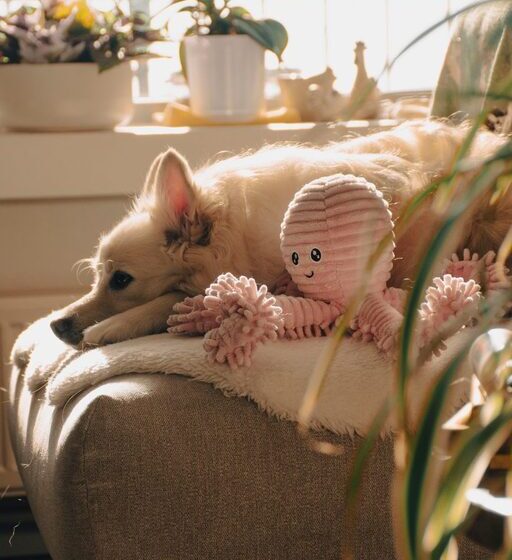

A dedicated home corner gives your pet a comfortable place to rest, play, and feel secure. It also helps keep everyday items organized and makes it easier to include your pet in your home without letting supplies take over every room.
Whether you live in a small apartment or a large house, a well-planned pet corner can be simple to create. The key is to choose the right location, use durable materials, and arrange the space around your pet’s daily habits.
Choose the Right Location
Start by observing where your pet naturally spends time. A good pet corner should be close enough to family activity that your pet does not feel isolated, but quiet enough for relaxing.
Consider these location ideas:
– A quiet corner of the living room
– A spot near a sunny window
– An unused area beside a desk or cabinet
– A mudroom or entryway for outdoor gear
– A section of the kitchen, away from cooking surfaces
Avoid placing the corner in a busy walkway, directly beside a noisy appliance, or near a drafty door. You should also keep it away from heating vents, fireplaces, and direct sunlight that becomes intense during the day.
For cats, a location with access to a high shelf or sturdy cat tree can add comfort. Dogs may prefer a floor-level area where they can easily watch household activity.
Create a Comfortable Resting Area
The resting area is the center of the space. Choose a bed, mat, or blanket that suits your pet’s size and sleeping style. Your pet should be able to lie down fully without hanging off the edge.
Look for materials that are:
– Easy to wash
– Strong enough for regular use
– Comfortable without being too soft
– Suitable for your home’s temperature
– Resistant to scratching or chewing if needed
A washable cover is especially useful because it allows you to clean the surface without replacing the entire bed. If your pet likes to burrow, add a soft blanket. If your pet tends to overheat, choose a lighter mat and place the corner in a well-ventilated area.
Keep the bed on a stable surface so it does not slide whenever your pet climbs in or out. A nonslip mat underneath can help protect floors and make the area feel more secure.
Add Simple Storage
Pet supplies can quickly become scattered around the house. Use a small basket, cabinet, or set of labeled containers to keep everything in one place.
Useful items to store include:
– Leashes and collars
– Toys
– Brushes and grooming tools
– Waste bags
– Towels
– Treats
– Food scoops
– Extra bedding
Choose storage that is easy for you to reach but not easy for your pet to open. Lidded containers can help protect food and treats from moisture while preventing curious pets from helping themselves.
For an entryway corner, install a few sturdy hooks for leashes, jackets, and travel items. Keep hooks high enough to prevent pets from pulling items down, especially if they enjoy chewing or playing with loose objects.
Set Up Food and Water Carefully
If your pet eats in the same area, create a separate feeding section. Food and water bowls should sit on a washable mat that catches spills and crumbs.
A feeding mat can also protect wood and other flooring from moisture. Choose bowls that are stable and difficult to tip over. Raised storage bins or a nearby cabinet can hold unopened food, but keep food sealed and follow the storage directions on its packaging.
Keep the feeding area away from litter boxes, cleaning supplies, and high-traffic paths. If you have more than one pet, consider whether each pet needs a separate bowl or a little extra space during meals.
Refresh water regularly and clean bowls as part of your normal household routine. A tidy feeding area is more pleasant for both pets and people.
Include Enrichment and Play
A pet corner should offer more than a place to sleep. Add a few safe toys or activities that match your pet’s interests.
For dogs, you might include:
– A durable chew toy
– A puzzle toy
– A soft toy for supervised play
– A small basket for rotating favorites
For cats, consider:
– A scratching post
– A wand toy stored out of reach
– A small tunnel
– A raised perch
– A few lightweight toys
Do not fill the area with every toy your pet owns. Keeping only a few items available at a time makes the space easier to organize and allows you to rotate toys to maintain interest.
Inspect toys regularly for loose parts, sharp edges, or damage. Remove any item that is no longer in good condition.
Make Safety a Priority
Pet-proofing is one of the most important parts of setting up a home corner. Look at the space from your pet’s point of view and identify anything that could be pulled, chewed, swallowed, or knocked over.
Use these safety steps:
– Secure tall furniture to the wall
– Hide or cover electrical cords
– Keep small objects off the floor
– Store cleaning products in closed cabinets
– Avoid loose strings and dangling decorations
– Use pet-safe materials and finishes
– Keep houseplants out of reach unless you know they are suitable for pets
If the corner includes a lamp, fan, or charging station, route cords behind furniture or use cord covers. Make sure all shelves, baskets, and hooks are firmly attached and able to withstand everyday use.
Keep doors, drawers, and containers closed if they hold items your pet should not access. A simple latch can make a major difference in a home with a curious animal.
Match the Corner to Your Home Style
A pet-friendly space does not have to look out of place. Choose colors, fabrics, and storage pieces that work with your existing decor.
A few easy ideas include:
– Use a woven basket for toys
– Choose a bed in a color that matches nearby furniture
– Place a washable mat beneath the feeding station
– Add a framed pet photo or simple name sign
– Use a small cabinet to hide supplies
– Select furniture with rounded edges
If space is limited, look for multifunctional pieces. A storage bench can hold toys and bedding while also providing seating. A side table with a lower shelf can create room for a bed or basket. Wall-mounted hooks can free up floor space in a narrow entryway.
Keep the Area Clean and Organized
A pet corner works best when it is easy to maintain. Build a quick cleaning routine into your week.
Regular tasks may include:
– Washing bedding and blankets
– Cleaning food and water mats
– Sweeping or vacuuming around the area
– Wiping storage bins and nearby surfaces
– Checking toys and accessories for wear
– Rotating items that are no longer being used
Try to return each item to its place after use. If a storage system is too complicated, simplify it. The best setup is one you can maintain without extra effort.
Update the Space Over Time
Your pet’s needs may change as they grow, become more active, or develop new preferences. Reassess the corner every few months.
You may need to:
– Replace a bed with a larger model
– Add more storage
– Move the space to a quieter location
– Provide additional scratching or climbing options
– Improve access for an older or less mobile pet
– Remove items that are no longer useful
A pet-friendly home corner does not need to be expensive or elaborate. With a comfortable resting spot, smart storage, safe materials, and a little room for play, you can create a welcoming area that supports your pet’s routine and keeps your home more organized.