
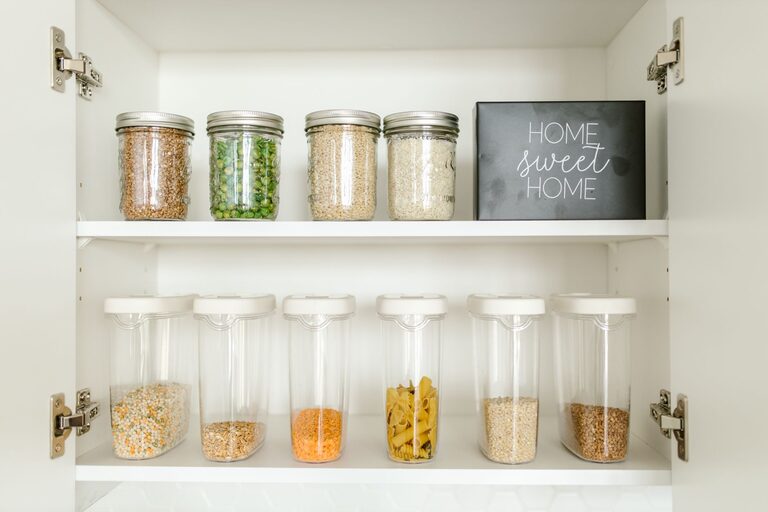

A tidy fridge and pantry can make your kitchen easier to use and help you keep track of the food you already have. When ingredients are visible, labeled, and stored in sensible places, meal planning becomes simpler and grocery shopping is less wasteful.
The key is not to create a perfect display. Instead, focus on simple systems that are easy to maintain. A short weekly reset, combined with smart storage habits, can keep your fridge and pantry orderly throughout the year.
Start With a Full Reset
Before organizing, remove everything from one area at a time. Trying to empty the entire kitchen at once can feel overwhelming, so begin with either the fridge or pantry.
As you remove items, sort them into three groups:
– Keep and use soon
– Keep and store properly
– Discard or recycle
Check dates, packaging, and the condition of fresh foods. If something looks spoiled, has an unusual smell, or has damaged packaging, it may be best to discard it. For items you plan to keep, wipe the storage area before returning them.
Use a clean cloth and a mild household cleaner suitable for the surface. Allow shelves and drawers to dry before replacing food.
Create Zones in Your Fridge
A fridge is easier to manage when each section has a clear purpose. Grouping similar foods helps you find items quickly and makes it easier to notice what needs to be used.
Useful fridge zones
– Top shelf: Ready-to-eat foods, leftovers, and drinks
– Middle shelf: Dairy products and everyday ingredients
– Lower shelf: Raw ingredients that should stay separate from ready-to-eat food
– Crisper drawers: Fruits and vegetables
– Door shelves: Condiments, sauces, and items that are less sensitive to temperature changes
The exact layout may depend on your fridge design, but consistency matters most. When every item has a regular place, putting groceries away takes less time.
Keep foods that need to be used soon at the front. Place newer items behind older ones, a method often called first in, first out. This simple habit helps prevent forgotten ingredients from sitting at the back of a shelf.
Use Containers and Labels
Clear containers can make fridge organization much easier. They keep small items together, reduce spills, and allow you to see what you have without opening every package.
Consider using containers for:
– Opened cheese and deli items
– Prepared ingredients
– Leftovers
– Small jars and packets
– Snacks
– Washed produce that is ready to use
Choose containers that stack securely and fit your shelves. Avoid filling them too tightly, since crowded containers can make food difficult to reach.
Labels are especially useful for leftovers and prepared foods. Write the name of the food and the date it was stored. This helps you identify meals at a glance and use them in a timely way.
Store Produce Thoughtfully
Fruits and vegetables often need different storage conditions. Some produce can affect the ripening of other items, so avoid placing everything together without a plan.
Keep fruits and vegetables in separate drawers when possible. Store produce in a way that allows air to circulate, and avoid washing items until you are ready to use them unless they will be eaten soon. Excess moisture can cause some foods to spoil more quickly.
Check the crisper drawers regularly. Remove soft or spoiled items and move produce that needs to be used soon to a visible location. A small bowl of “eat first” produce on a shelf can serve as a helpful reminder.
Organize the Pantry by Category
A pantry becomes easier to maintain when similar foods are stored together. Instead of arranging items wherever there is space, create broad categories that match the way you shop and cook.
Possible pantry zones include:
– Breakfast foods
– Baking supplies
– Pasta, rice, and grains
– Canned goods
– Snacks
– Sauces and condiments
– Spices and seasonings
– Tea, coffee, and drink mixes
Use the most accessible shelves for items you reach for often. Less frequently used supplies can go on higher shelves or toward the back.
If your pantry is deep, place small bins or baskets on the shelves. Pull-out containers can help you see items in the back without moving everything in front. For safety, store heavy jars and cans on lower shelves.
Make Small Items Easier to Find
Small packets, spice jars, and baking decorations can quickly create clutter. Group these items in shallow bins or trays so they remain contained.
A spice rack, drawer organizer, or narrow shelf can make seasonings easier to see. Arrange spices alphabetically or group them by type, such as baking spices, herbs, and blends. Choose one system and use it consistently.
For packets and small bags, consider placing them upright in a container. This makes it easier to view each item and prevents loose packages from spreading across the pantry.
Choose Practical Storage Containers
Matching containers can give a pantry a neat appearance, but they are not required. The most important qualities are that containers are clean, easy to open, and appropriate for the food being stored.
Use airtight containers for foods that benefit from protection from moisture and pests, such as flour, sugar, cereal, pasta, and grains. Keep the original package or label nearby if you need cooking instructions or allergen information.
Do not transfer food into a container unless you can identify it clearly. Labels should include the food name and, when useful, the date it was opened.
Avoid overfilling containers. Leave enough space to scoop or pour without spilling, and check that lids close securely.
Keep a Simple Inventory
You do not need a complicated tracking system to know what is in your kitchen. A small note on your phone, a whiteboard, or a list on the pantry door may be enough.
Track items that are easy to forget, including:
– Extra cans and jars
– Baking ingredients
– Freezer foods
– Bulk purchases
– Items with a short shelf life
Before shopping, check your inventory and take a quick look inside the fridge and pantry. This can help prevent duplicate purchases and encourage you to use what you already have.
Build a Weekly Reset Routine
A short weekly routine is easier to maintain than an occasional deep clean. Choose a regular day to spend 10 to 15 minutes checking your food storage areas.
During the reset:
- Return misplaced items to their zones.
- Move older foods to the front.
- Wipe visible spills and crumbs.
- Check produce and leftovers.
- Create a short “use soon” list.
- Add needed items to your shopping list.
Once a month, take a little more time to clean shelves, review pantry categories, and check containers for spills or expired products.
Avoid Common Organization Problems
Some storage habits can make a fridge or pantry harder to use. Avoid putting too many items in one container, since overcrowding hides food and blocks airflow. Do not store food directly on the floor of a pantry if it can be placed on a shelf or in a bin.
It is also helpful to avoid organizing only by appearance. A system may look attractive but still be inconvenient if frequently used items are difficult to reach. Arrange your storage around your daily habits.
Finally, do not create more categories than you need. A few broad zones are usually easier to remember and maintain than a highly detailed system.
Make Tidiness Easy to Maintain
The best organization system is one that fits your household. Keep everyday items within easy reach, use containers that match your shelves, and leave a little open space for new groceries.
Encourage everyone who uses the kitchen to return items to their assigned zones. When the system is simple and visible, a tidy fridge and pantry become part of the daily routine rather than a major cleaning project.
With regular resets, clear categories, and a focus on using older foods first, you can keep your food storage areas clean, practical, and easy to navigate.